Author: morganuser

  • Know Before You Go: Visiting a U-Pick Farm

    Know Before You Go: Visiting a U-Pick Farm

    Visiting a U-pick farm like Morgan Creek is a great way to spend the day, allowing you to reconnect with nature, support local agriculture, and gather fresh, delicious produce. To make the most of your visit, a bit of preparation is essential. Here are some tips and considerations to ensure you have a fruitful (pun intended) and enjoyable experience.

    1. Call Ahead

    Different U-pick farms offer various types of produce depending on the season and their specializations. Morgan Creek, in particular, offers blueberries, and they go fast! Before heading out, visit our website or call ahead to confirm we still have plenty of crops for picking.

    1. Understand the Rules and Policies

    Every farm has its own set of rules to ensure safety and maintain the health of its crops. Common regulations include:

    – Where you are allowed to pick.

    – How to handle the produce to avoid damage.

    – Pricing structures (per pound, container, or admission fees).

    – Whether outside food or pets are allowed.

    Knowing these rules in advance helps you respect the farm’s operations and enhances your overall experience.

    1. Dress Appropriately

    Dress for the outdoors and the activity at hand. This typically means:

    – Wearing comfortable, old clothes that you don’t mind getting dirty.

    – Sturdy shoes or boots, especially if the ground is uneven or muddy.

    – A hat and sunscreen for sun protection.

    Being dressed appropriately ensures comfort and safety during your picking adventure.

    1. Bring Necessary Supplies

    Morgan Creek provides containers for picking, but you can always bring your own containers just in case. Other useful items include:

    – Water bottles to stay hydrated.

    – A cooler with ice packs if you plan to pick perishable items.

    – Bug spray to protect against insects.

    Having these supplies ensures that your produce stays fresh and you stay comfortable.

    1. Pick Responsibly

    Be mindful of the picking etiquette:

    – Only pick ripe produce and leave unripe items for future visitors.

    – Handle plants gently to avoid damaging them.

    – Follow the guidelines provided by farm staff to ensure you pick correctly.

    Responsible picking helps sustain the farm and ensures quality produce for everyone.

    1. Plan for Post-Picking Activities

    Once you’ve picked your produce, consider how you’ll transport and store it. If you’ve picked a large quantity, you might need to plan for freezing, canning, or making preserves.

    Research recipes and storage techniques ahead of time to make the most of your fresh produce. Morgan Creek also offers recipe ideas on our social media channels.

    1. Have Fun

    Above all, remember to enjoy the experience. U-pick farms offer a unique opportunity to engage with your food source, learn about agriculture, and spend quality time outdoors with friends or family.

    Take your time, savor the environment, and appreciate the effort that goes into growing the food you enjoy.

  • A Brief History of Muscadine Wine

    A Brief History of Muscadine Wine

    In the world of wines, few varieties offer the unique charm and storied history of muscadine wine. Originating in North America, this distinctive wine has captivated palates for centuries with its bold flavors and rich heritage. Let’s delve into the fascinating history of muscadine wine, from its indigenous roots to its modern-day resurgence.

    Indigenous Roots
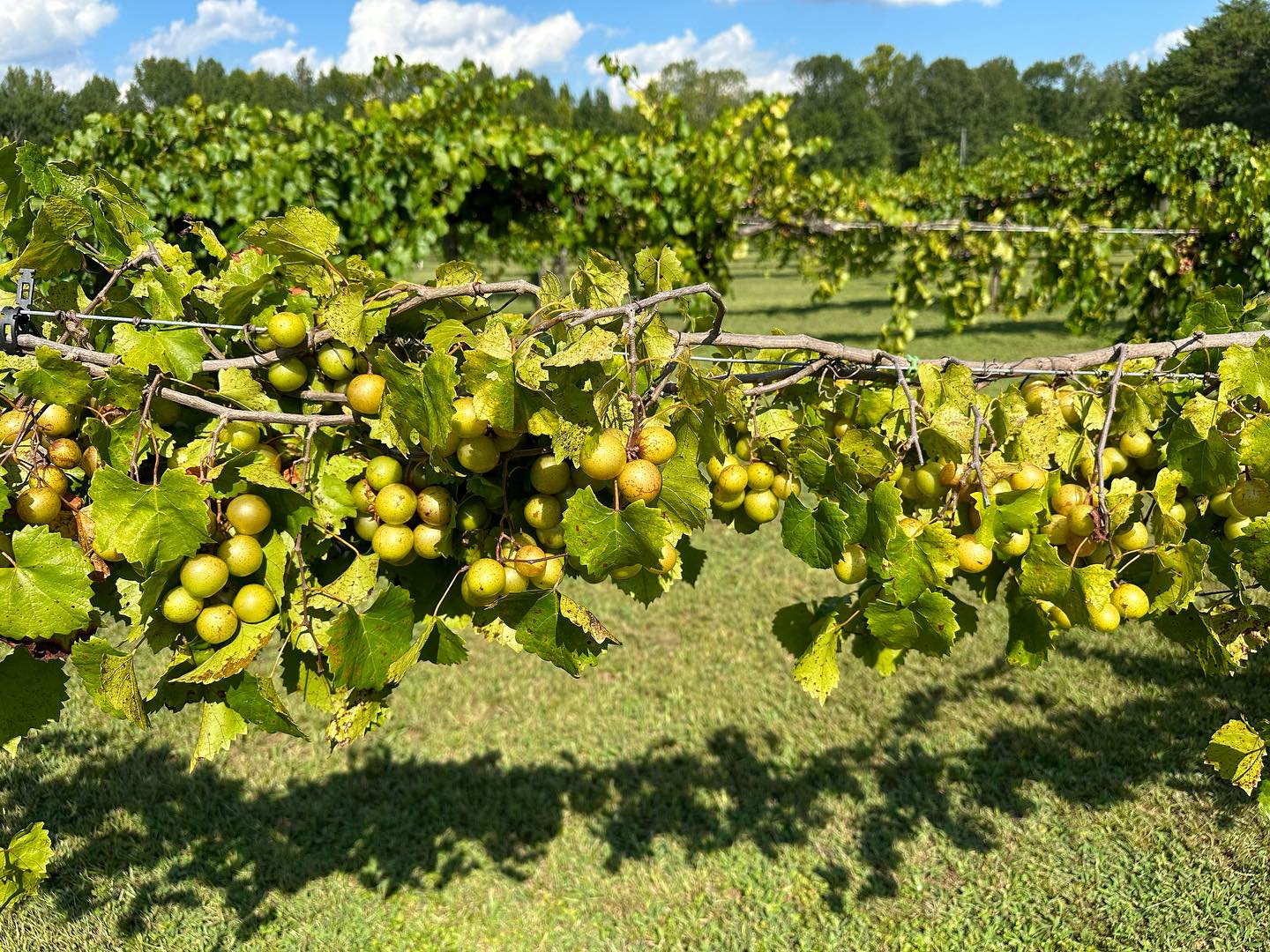
    Muscadine grapes, scientifically known as Vitis rotundifolia, have been growing wild in the South for thousands of years. Indigenous peoples, including Native American tribes such as the Cherokee and Seminole, revered these grapes for their sweet taste and medicinal properties. They used them to make various foods, beverages, and herbal remedies.

    Early European Encounters
    The first recorded European encounters with muscadine grapes date back to the 16th century when Spanish explorers arrived in the New World. These explorers were fascinated by the abundance of wild grapes they encountered, including the muscadine variety. Recognizing their potential, European settlers began cultivating muscadine grapes for winemaking, among other purposes.

    Colonial Winemaking
    During the colonial era, muscadine grapes played a crucial role in America’s burgeoning wine industry. Settlers in the southern colonies, particularly in regions like Virginia, North Carolina, and Georgia, planted muscadine vines and crafted wines from their bountiful harvests. Muscadine wine became a staple beverage enjoyed by colonists and was often praised for its robust flavor and natural sweetness.

    Challenges and Adaptations
    Despite its popularity, muscadine wine faced challenges over the years, including competition from European grape varieties and the arrival of phylloxera, a devastating vineyard pest. However, muscadine grapes proved resilient to pests and diseases, thanks to their natural resistance. This resilience helped sustain the cultivation of muscadine vines, particularly in the South.

    Revival and Recognition
    In recent decades, there has been a renewed interest in muscadine wine, driven by a growing appreciation for indigenous grape varieties and regional winemaking traditions. Wineries across the South, like Morgan Creek, have embraced muscadine grapes, producing a diverse range of wines that showcase the fruit’s unique characteristics. From dry table wines to sweet dessert wines, muscadine wine offers something for every palate.

    Modern Cultivation and Innovation
    Today, muscadine wine continues to thrive as winemakers experiment with different winemaking techniques and styles. While traditional muscadine wines are known for their bold, fruity flavors and distinctive aromas, some producers are exploring new approaches, such as barrel aging and blending with other grape varieties. This innovation has helped elevate muscadine wine to new heights of quality and sophistication.

    As we reflect on the rich history of muscadine wine, it’s clear that this unique beverage holds a special place in the cultural heritage of the South. From its indigenous roots to its modern-day revival, muscadine wine embodies the spirit of innovation and resilience that defines American winemaking. Whether enjoyed as a tribute to tradition or a symbol of contemporary craftsmanship, muscadine wine invites us to savor the flavors of the past while toasting to a bright future.

  • Morgan Creek Featured in Alabama Weddings Magazine!

    Morgan Creek Featured in Alabama Weddings Magazine!


    “When you plan your beverage offerings for both bar and dinner service, consider beers and wines crafted right here in Alabama. Local breweries and vineyards can look at your menu and offer suggestions that would pair well with your selections. It’s just another way your wedding would be supporting small, local business.” -Alabama Weddings Magazine

    AWMag-blog-post-

  • Alicia’s Morgan Creek Vineyards Wedding Day Q&A

    Alicia’s Morgan Creek Vineyards Wedding Day Q&A

    What was your favorite part of having your wedding at Morgan Creek?
    The family atmosphere. Everyone pitched in-whether it was helping with the flowers, to parking cars…this just made everything run so smoothly.

    Share one of your fondest memories from your wedding day.
    As the end of the night was winding down and we were getting ready to leave…our ‘send off’ began with all of our guests lining up to wish us goodbye. When we got to the end…fireworks began!! We had no idea that this was going to happen and it was just an amazing way to end such a great wedding day!

    Do you have any tips for brides-to-be as they plan their wedding?
    Don’t fret over the fine details and be willing to let people HELP you!

    alicia-blog-post-large-1

    Alicia’s Wedding Vendors:
    Bridal gown-Dianne’s Formal Affair in Jasper
    Bridesmaids-J. Crew
    Cake-a sweet friend made my cake-Lacey Hughes
    Flowers-Main St. Florist in Mt. Laurel
    Invitations-Stacey Claire Boyd
    Jeweler-Diamonds Direct
    Catering-our friends at Alabama Biscuit Co.